




Blog / Bacon Chevrolet Service

Blog

All Bacon Chevrolet Service Frankston Chevrolet Dealer 2022 Chevy Equinox 2023 Chevy Trailblazer Things to Do Frankston, TX Chevrolet Models Chevy Silverado 2500 2022 Chevy Trailblazer in Frankston, TX 2026 Chevrolet models State Parks near Frankston Chevy Silverado 1500 Frankston Used Cars Frankston, TX Attractions Bakeries Frankston, TX Chevy Blazer Frankston, TX Engine Repair Frankston, TX Frankston Chevrolet Service Best Places to Eat Frankston, TX Chevrolet Features & Specs Chevy Silverado 1500 in Frankston, TX Chevrolet Traverse Chevrolet SUV Wedding Locations Frankston, TX 2026 Chevrolet Colorado 2026 Chevrolet Corvette 2026 Chevrolet Silverado 2500 CPO Chevrolet 2026 Chevrolet Trax 2026 Chevy Equinox 2026 Chevy Silverado EV 2026 Chevy Trailblazer Certified Pre-Owned Chevrolet Buying Guide Corvette Stingray Corvette Z06 Sports car Trade in

How Often Should You Change Your Chevy's Brake Pads?

When it comes to our trusty Chevys, we all love the purr of the engine, the sleek design, and that rush we get when we hit the open road. But let's be real, as exhilarating as speeding down the highway can be, being able to stop safely is equally, if not more, important. And that's where the unsung heroes of our vehicles, the brake pads, come into play. Wondering if it's time to hit the Chevy dealer and get them changed? Read on. When Should You Replace Your Brake Pads? There isn't a one-size-fits-all answer to this, as wear and tear on your brakes is determined by things like your driving style and the conditions you usually drive in. On average, though, pads for your brakes should be replaced every 10,000 to 20,000 miles. It's always best to refer to your Chevy's manual or ask the professionals for recommendations specific to your vehicle. Signs It Might Be Time to Visit Your Chevy Dealer Regardless of how long it's been since your pads were last replaced, there are some signs you should look out for that might mean your brakes need to be looked at by the experts at the dealership. Squealing and Screeching Hearing a high-pitched squeal when you brake? That's not your Chevy singing to you. The pads for your brakes come with a built-in indicator that makes this noise to alert drivers that they are wearing thin. Vibration and Pulsation If you feel a vibration in the brake pedal when you press down, it's a sign that your pads have worn down unevenly. It's like your Chevy is giving you a little nudge, hinting that a check-up is overdue. Longer Stopping Distances If you've noticed that your car doesn't come to a stop as promptly as it used to, this can be a sign that the pads are worn out. This delayed reaction can be a serious danger on the road or lead to you and your Chevy colliding into things you saw coming. Warning Light Modern Chevys come equipped with a brake warning light on the dashboard. If this lights up, it's a clear indication that something's wrong with your brakes, and it might very well be the pads. Visual Inspection If you hear or feel any of the above signs, it's a good idea to give your brakes a quick visual check. While the car is stopped, peek through your wheel spokes. If you see less than a quarter-inch of the pad, it's probably time to get them replaced. Chevys are fantastic machines, built to take us on countless adventures, but they rely on us to keep them in good working order. If your car is dropping hints or nearing its mileage milestone, perhaps it's time to visit the service center for some new pads. Call Bacon Chevrolet today and schedule an appointment to get your brakes checked.

Does Your Chevy Need New Headlights?

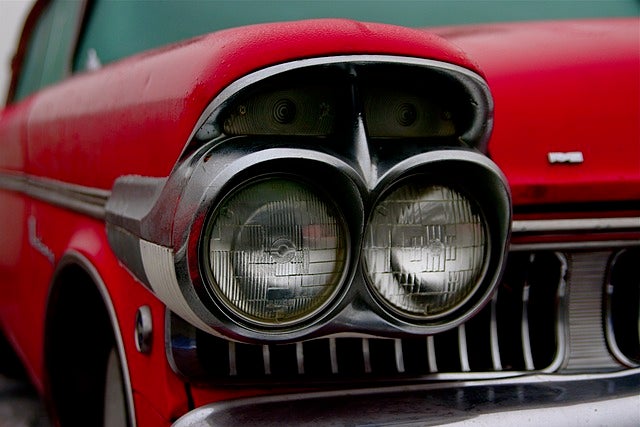
When visibility diminishes after dark, drivers face a 30% greater risk of collisions. Along with more careful driving, the best way to mitigate this risk is with powerful, fully functioning headlights. Always look out for the following signs that your headlights might be on their last legs, and it's time to visit your local Chevy dealer for new headlights. Does Your Chevy Need New Headlights? One Headlight Bulb Blows The clearest indication of a failed headlight is when one bulb fails. There may be an issue with the wiring behind the socket of that bulb, but at least you know it isn't the battery, alternator, or fuse. If both headlights fail at the same time, it's more likely that something besides the bulbs has caused the problem. Your technician can test a failed bulb using a multimeter or by simply trying a new bulb in the socket. more Fading Headlight Brightness It can sometimes be difficult to notice fading headlight brightness because it happens gradually over time. When dimming occurs, you might start to find yourself squinting to see far ahead or feel less sure of your surroundings after dark. Always replace your bulbs as soon as you think they're starting to degrade. Halogen bulbs can lose up to 80% of their brightness when they degrade and will usually die quite rapidly. High-intensity discharge (HID) bulbs and light-emitting diode (LED) bulbs tend to lose less of their maximum brightness over a longer period, making it trickier to notice the gradual loss in brightness. Cloudy or Hazy Light If the light in front of your car has started to seem hazy or cloudy, or perhaps more yellow than usual, the lenses of your headlights might have started to deteriorate. This may be caused by oxidization. The acrylic in headlight lenses can become oxidized by the UV rays in sunlight. Headlight lenses are usually coated in a clear layer to slow oxidization, but this protective layer can start to wear off over time. Flickering Light With halogen bulbs, flickering light may mean the tungsten filament has become damaged and will soon fail altogether. With LED or HID headlight bulbs, flickering is more likely to point to an underlying issue such as damaged wiring, a failing alternator or battery, or a mismatch in the voltage your car emits and the power the bulb needs. A technician will soon work out and repair the root cause. How Your Chevy Dealer Can Test Your Headlights When you take your car in to have your headlights examined, the technician can test the bulbs in a number of ways. A multimeter is the most common tool for this. They might also use a continuity tester. And simply hooking the bulb up to a 12-volt battery can also check how well a bulb is working. Visit Bacon Chevrolet today to have your headlights examined and repaired or replaced. As a family-run dealership with an ethos of being "The Good Deal Dealer," we've been helping out the drivers of East Texas for over fifty years. Image Via Pixabay

7 Signs of a Faulty Ignition Coil

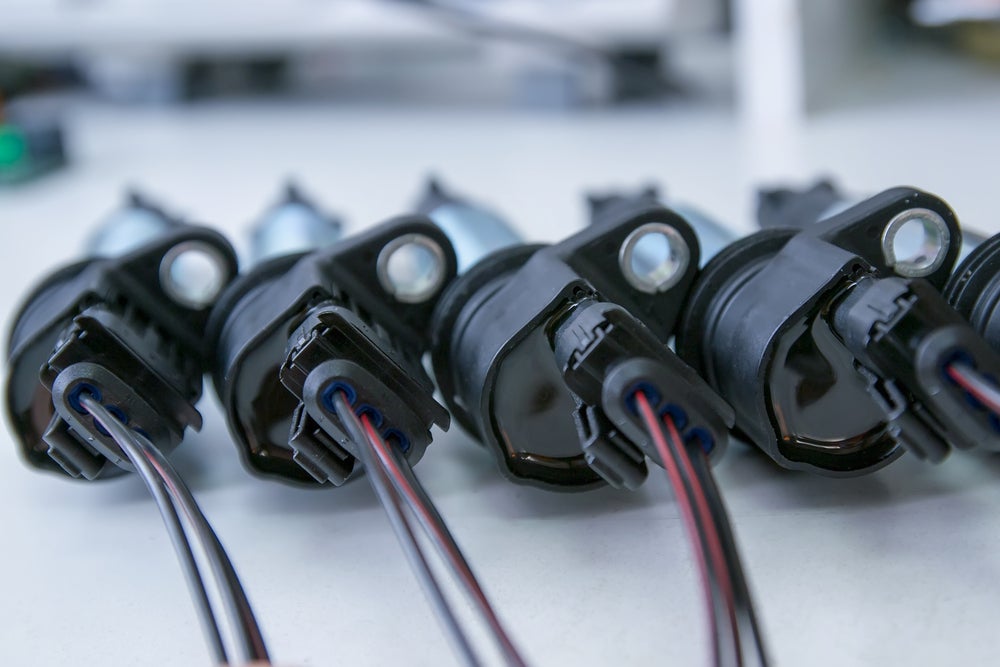
Have your car's engine started to lose its energy? Is it coughing and muttering all of a sudden, and slouching along like a sickly invalid? If it is, you may have a faulty ignition coil. The following seven symptoms should prompt you to visit your nearest Chevy dealer at once to have your bad coil repaired or replaced. Check Engine Dashboard Light Modern Chevrolet vehicles have over a hundred sensor modules designed to pick up any kind of trouble, so the first thing you'll notice when an ignition coil falters will often be the check engine light springing to life on your dashboard. This light might point to a variety of possible problems. You'll probably need a technician to determine if an ignition coil or something else is malfunctioning. Coughing, Sputtering Sounds When ignition coils fail to send sufficient electricity to the spark plugs, those spark plugs start misfiring. That means the cylinder won't be burning fuel properly. Instead of a smooth and steady engine rumble, you'll hear it coughing and sputtering as if it's struggling to stay alive. Shaking and Juddering With a bad coil, your misfiring engine will also shake and vibrate strangely. These symptoms will often be worse first thing in the morning and whenever you drive slowly or pause in idle. Sudden Stalling If an ignition coil has given up the ghost entirely, you may find yourself suddenly stalling while pausing at traffic lights. Needless to say, this can be very inconvenient, especially if your engine struggles to start up again. Struggling to Start Without fully functioning ignition coils, an engine may struggle to start, especially first thing in the morning when a strong surge of electrical voltage is required. Because of this, if it's taking you several tries to get your engine going, consider having your ignition coils checked. Reduced Accelerative Power An engine with one failing cylinder also has lessened power. This will be most obvious when you're trying to gain a quick burst of speed and your car fails to accelerate as it should. Poor Gas Mileage Even though a bad ignition coil can't deliver the ignition sparks as rapidly as it should, the cylinder's fuel injector will keep injecting the same amount of fuel. This results in plummeting fuel efficiency. How Frequently To Replace Coils at Your Chevy Dealer Ignition coils tend to last around 100,000 miles of driving, although this distance can vary depending on coil quality and driving conditions. Anything that puts the engine under more strain may cause your coils to wear out sooner. Visit Bacon Chevrolet today to have your car's ignition coils inspected and repaired or replaced. For over 50 years, the Billy Bacon family has been looking after the drivers of East Texas with great vehicles and great customer service.

Contact Us

Fill out this form below and we'll contact you shortly
*Required Fields